Public index · Astronomy
Kepler · 42 CCDs
42 CCDs
NASA Kepler photometer. 42 science CCDs, 95 megapixels, paired into modules.
NASA’s Kepler telescope watched stars with a camera of forty-two chips. A planet walking in front of its star makes a tiny blink. Those chips, ninety-five million pixels, were how worlds too small to photograph were still found. Later, catalogue number 42 was a red dwarf with three close planets. The camera’s 42 and the star’s 42 are two different lists.
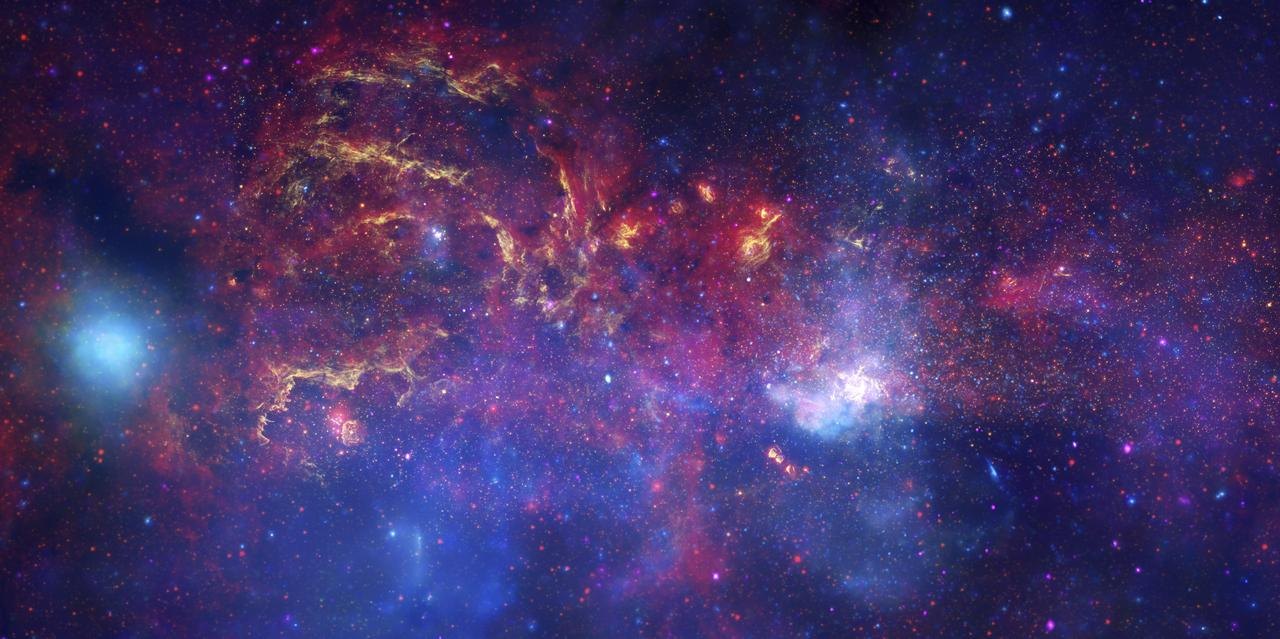
A camera of forty-two eyes
42 CCDs
The camera
NASA sent Kepler to watch a patch of sky in Cygnus and Lyra. Its camera was a quilt of forty-two electronic chips, called CCDs, ninety-five million pixels in all. A planet crossing its star makes the star look a little dimmer. Those forty-two eyes watched for that blink, night after night, so that worlds too small to photograph could still be counted.
The list
Later, in Kepler’s running list of stars with planets, number 42 was a tiny red sun with three rocky worlds. Nobody named it that because of the camera. Lists reach forty-two on their own. Two true things, noticed together afterward.
What it supports
NASA’s first-light mosaic (PIA12348) shows the 42 CCDs paired into modules. That count is the instrument. Kepler-42 is a sequential name from the same mission, noticed beside the camera afterward.
What it does not
The star was not numbered for the camera. Kepler-442 is another integer. These are not forty-two worlds.
ExactnessExact
Form42
Unitcount
Strengthhard
When2009-04-08