Public index · Text / scripture
Sutra of Forty-two Chapters
42
佛說四十二章經. Chinese Buddhist scripture. Taishō T17 no. 784. Preface plus forty-two numbered sections.
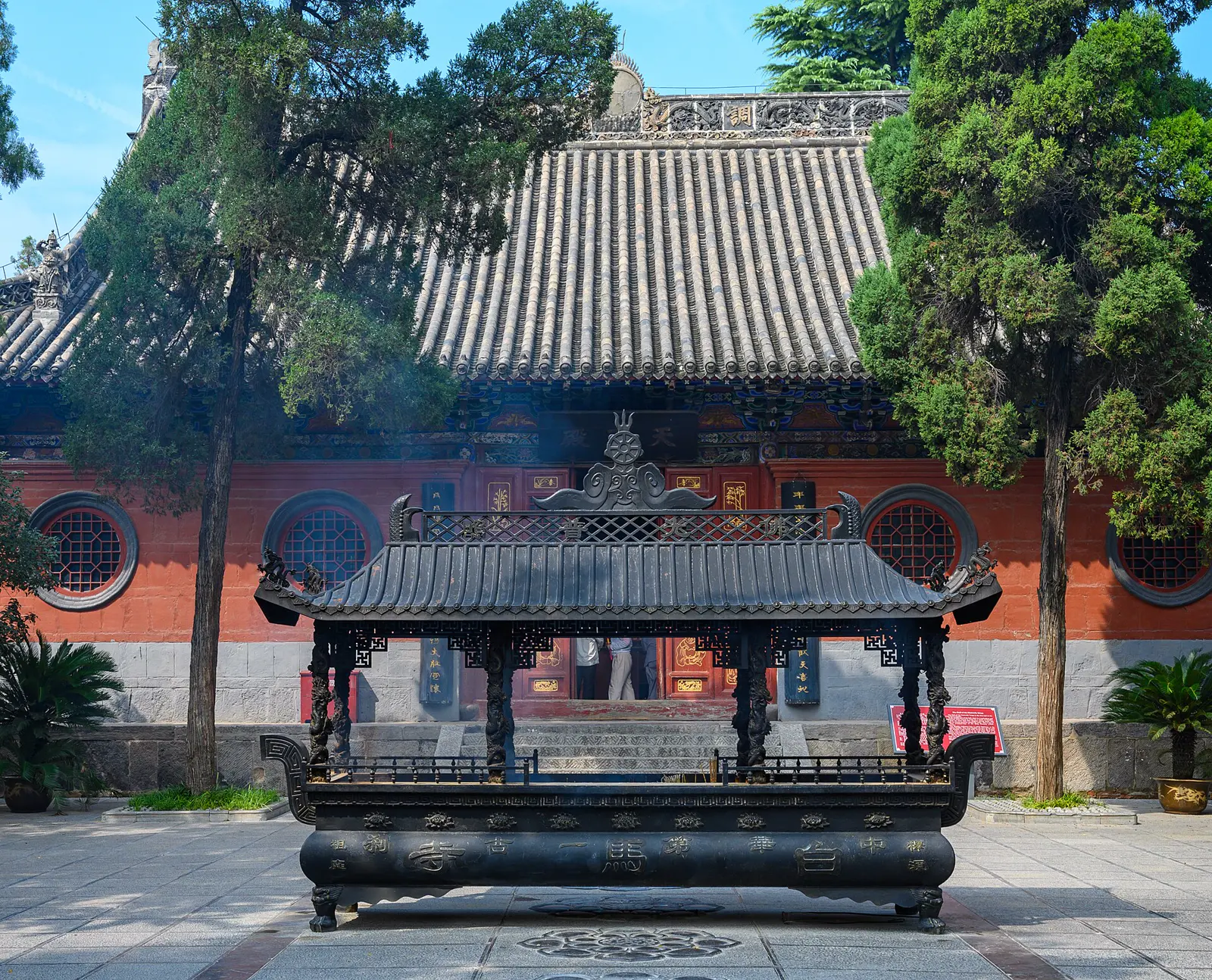
Photo ·CC BY 2.0

The title is Forty-two Chapters. The traditional body is forty-two short teachings. Not a later editor’s seat in a longer book. The integer is the name of the work.
Scripture
One integer. Several kinds of text.
A title that says Forty-two. A verse that counts forty-two youths. Three received chapter seats. They are not one text. The Sutra is not a psalm number. Consultation is not a count of boys.
The title is 42
T784Forty-two Chaptershere
The work’s own name. Forty-two sections. Not a later seat.
A count in the verse
- 422 Kings 2:24
Forty and two youths. The integer is in the Hebrew clause.
Editorial seats
- 42Sūrah 42
al-Shūrā. Consultation. The number is the received order.
- ch. 42Tao Te Ching
Wang Bi numbering. Mawangdui orders the material differently.
- Ps 42Psalm 42
The thirst is in the poem. The 42 is in the numbering.
What it supports
Taishō shinshū daizōkyō T17 no. 784. Koryŏ recension on Wikisource. NTI Reader. BDK English in Apocryphal Scriptures (Heng-ching Shih, 2005). A named scripture whose own title and section count are forty-two.
What it does not
Not a recovered Indian urtext of exactly 42 chapters. Scholarship often treats it as early Chinese Buddhist literature, sometimes labeled apocryphal. Tradition credits Kāśyapa Mātaṅga and Dharmaratna in the Later Han. That date is disputed. Not Tao 42. Not Psalm 42. Those are editorial seats. This is a title.
ExactnessCount
Form42
Unitchapters
Strengthhard
Hung18 September 2026